


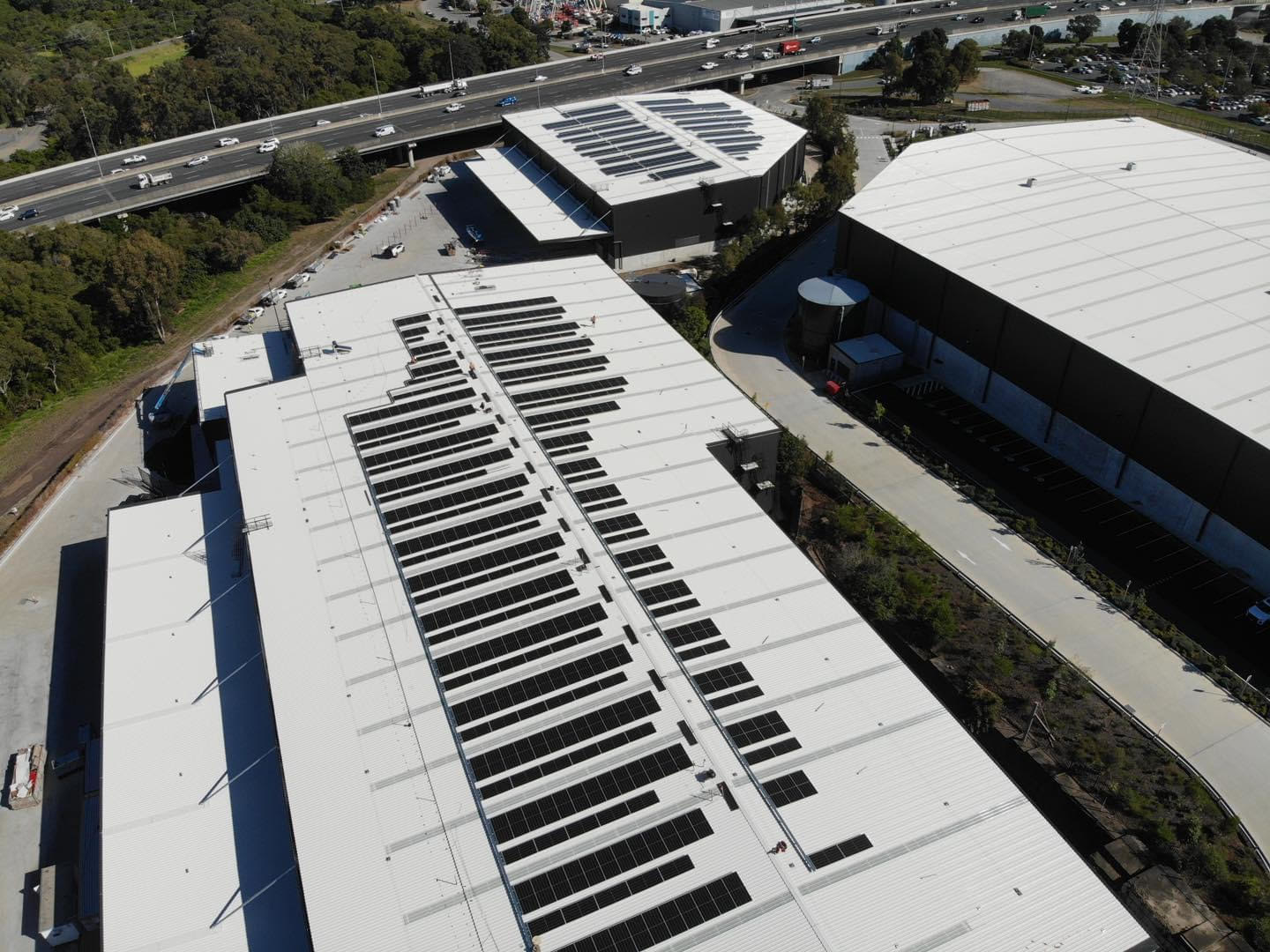

As of today, Australian households and small businesses can take advantage of the Cheaper Home Batteries Program, a federal initiative offering a 30% discount on eligible solar battery installations! This program aims to make home energy storage more accessible, allowing you to store excess solar energy for use during peak times or outages. Here’s out top list of things to know before buying a battery.
1. Anticipated High Demand and Potential Delays
With the introduction of this rebate, a surge in demand for solar batteries is expected. While lithium prices have decreased globally, supply chain disruptions and increased demand may lead to longer wait times for battery orders and installations. It’s best to plan ahead and consult with your installer to ensure timely installation.
2. Ensure Installation by Certified Professionals
To qualify for the rebate, installations must be performed by professionals accredited by Solar Accreditation Australia (SAA) and hold an unrestricted electrical license in the relevant state or territory. This ensures that installations meet safety and quality standards.
3. Choose NETCC-Approved Retailers
Look for retailers who are New Energy Tech Consumer Code (NETCC) approved. These retailers are committed to adhering to high standards of customer service and ethical conduct. Choosing a NETCC-approved retailer provides added consumer protection and confidence in the services provided.
4. Eligibility Criteria for the Rebate
The rebate applies to batteries with a usable capacity between 5kWh and 100kWh, installed alongside new or existing rooftop solar systems. Only batteries listed on the Clean Energy Council’s approved product list are eligible. It’s important to verify that your chosen battery meets these criteria before proceeding with the installation.
5. Significant Financial Incentives
The rebate offers approximately $370–$372 per kilowatt-hour (kWh) of usable battery capacity. This incentive is expected to halve the payback period for battery investments to around three to four years. For instance, a 10kWh battery could receive a rebate of up to $3,700, significantly reducing the upfront cost.
6. Consumer Protection Measures
The Australian Competition and Consumer Commission (ACCC) and state fair trading bodies will monitor the program to safeguard consumer interests. Consumers are encouraged to research thoroughly and choose reputable retailers and installers. Understanding your rights and responsibilities ensures a smooth and secure transition to solar battery storage.
7. Additional State Incentives in New South Wales
In New South Wales, households and small businesses participating in Virtual Power Plants (VPPs) can receive payments up to $1,500, enhancing the benefits of battery installations. This incentive can be combined with the federal rebate, offering greater financial returns and contributing to grid stability.
8. Maximise Earnings by Connecting Your Battery to a VPP
By integrating your battery with a Virtual Power Plant (VPP), you can participate directly in the wholesale energy market. Retailers offer VPP programs which optimises your battery usage based on real-time electricity prices. This means your battery can charge when prices are low and discharge when prices are high, maximising your earnings. This approach not only accelerates the payback period of your battery investment but also empowers you to take control of your energy usage and contribute to a more sustainable grid.
Explore Our Residential Battery Packages
We offer a range of residential battery packages tailored to meet your energy needs and budget. Our solutions are designed to maximise the benefits of the federal rebate and any applicable state incentives. To learn more about our offerings and how they can help you achieve energy independence, please visit our Residential Battery Packages page.
By understanding the key aspects of the Cheaper Home Batteries Program and ensuring compliance with installation and eligibility requirements, you can make informed decisions that lead to significant energy savings and a more sustainable future.
