


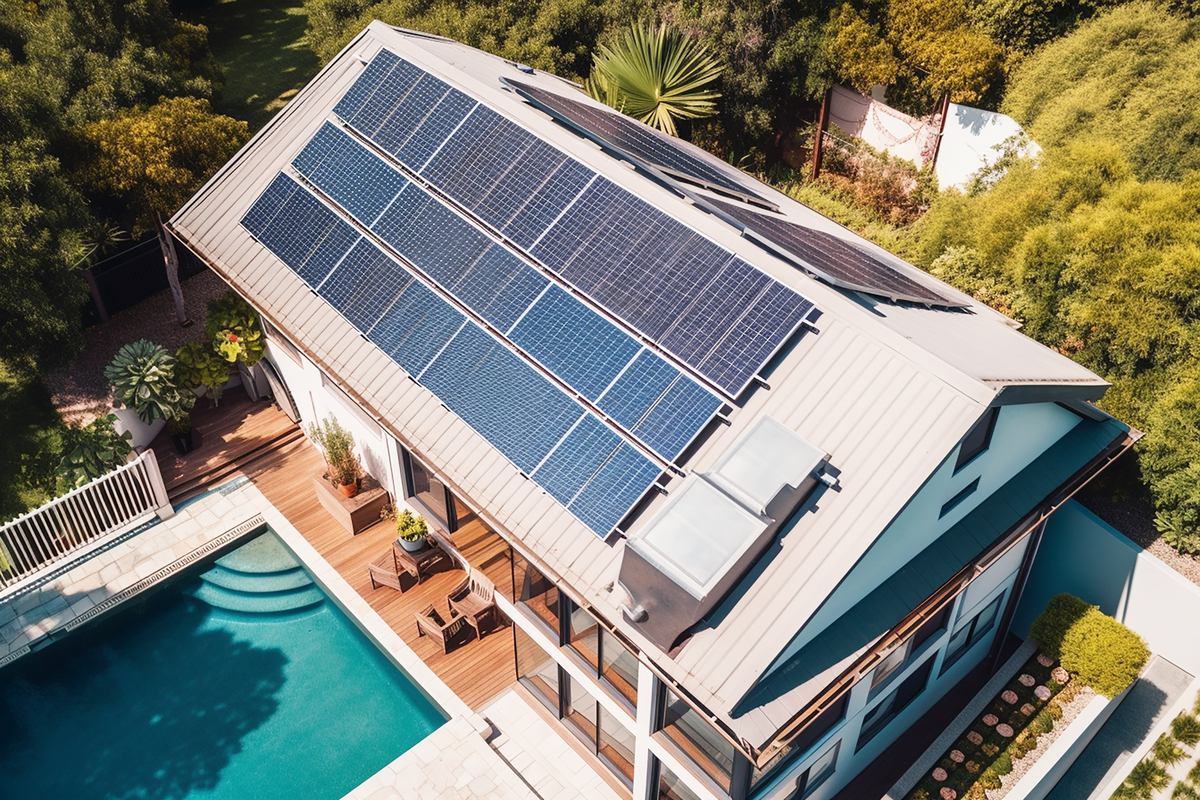

Small-scale Technology Certificates (STCs) turn the clean power your new solar system is expected to make into certificates. Your installer takes their value off your quote as an upfront discount. Solar Set shows that discount on the quotes we write across the Gold Coast, Brisbane and Northern NSW, and our solar and battery rebates guide keeps the current dollar figures in one place.
This post walks through the mechanism with real numbers. It also explains what the 1 January 2027 step-down means for a 2026 quote and how to check the discount on paper, so you know exactly what you are being offered before you sign.
Key Points
- One STC equals 1 MWh of renewable electricity generated, stored or displaced, according to the Clean Energy Regulator.
- A 6.6kW solar system installed in 2026 at postcode 4220, which is Zone 3 with a rating of 1.382, earns 45 STCs using a five-year deeming period.
- The number of STCs depends on your system size, your location (zone) and your install date, so you should look up the zone for your own postcode.
- The deeming period drops from 5 years to 4 years on 1 January 2027, which means about 20 per cent fewer STCs for the same system.
- Battery STCs under the Cheaper Home Batteries Program use a separate calculation from rooftop solar and are bought by the Australian Government rather than counted in the retailers’ target.
- From 1 October 2026, solar systems up to 1MW can claim STCs, up from the previous 100kW limit.
How do STCs work, step by step?
STCs move from your roof to an electricity retailer in four steps, and you see the result as a lower price on your quote.
- Step 1: Your eligible solar system creates STCs based on the clean power it is expected to make.
- Step 2: You assign the right to create those STCs to your installer by signing the STC assignment form.
- Step 3: Your installer takes the value of the STCs off your quote as an upfront discount.
- Step 4: Your installer sells the STCs to electricity retailers, who must buy them to meet the small-scale technology percentage (STP).
What is an STC, and is it really a rebate?
An STC is a tradeable certificate, so it is not technically a rebate. One STC equals 1 MWh of renewable electricity generated, stored or displaced, as set out in the Clean Energy Regulator’s guide to small-scale technology certificates.
Nobody sends you a cheque. Your installer acts as a registered agent, takes the right to create your STCs and can give you an upfront discount in return.
The money comes from electricity retailers. Retailers and other liable entities must surrender STCs every year under the STP, and that obligation creates the demand that gives each certificate its value.
Because the STC price is set by that market, it moves. Our rebates guide, linked above, keeps the current dollar value up to date.
Knowing the discount is a certificate sale rather than a government grant helps you read every quote on the same terms.
How many STCs will your solar system get?
Your STC count depends on three things: your system size in kW, your location zone and your install date. The formula multiplies system size by zone rating and by the deeming period, then rounds down to a whole certificate.
The deeming period is the number of years of generation the scheme credits upfront, counted to the scheme’s end in 2030.
Postcode 4220, around Burleigh Heads on the Energex network, sits in Zone 3 with a rating of 1.382. If you live in Brisbane, Tweed Heads or Kingscliff, look up your own postcode in the Clean Energy Regulator’s postcode-zone file, linked from its STC entitlement page, rather than assuming a zone.
Kale Fogg, our licensed electrician and a Clean Energy Regulator Authorised Inspector, checked the example below on 10 September 2026. Our calculator returned 45 STCs for a 6.6kW system at postcode 4220, matching an STC agent’s commercial calculator.
With the formula and your zone in hand, you can check the STC count on any quote in under a minute.
| Input | Value |
|---|---|
| System size | 6.6kW |
| Zone and rating | Zone 3, 1.382 |
| Deeming period | 5 years (2026 install) |
| Calculation | 6.6 x 1.382 x 5, rounded down |
| STCs created | 45 |
What does the 2027 step-down mean for a 2026 quote?
A system installed in 2026 gets a five-year deeming period, and a system installed in 2027 gets four. That cut means about 20 per cent fewer STCs for the same system in the same postcode.
The install date is what counts, not the date you sign. If your quote is written in late 2026 but your install lands in January 2027, ask for the STC count and the discount to be recalculated.
We would rather you install the right system in 2027 than the wrong one in a December rush. The Clean Energy Regulator warns that a false installation date is an offence, so walk away from anyone who offers to backdate paperwork.
A clear view of the step-down lets you decide on timing for your own reasons, not an installer’s deadline.
| Install year | Deeming period | STCs compared with a 2026 install |
|---|---|---|
| 2026 | 5 years | Full count (45 for 6.6kW at postcode 4220) |
| 2027 | 4 years | About 20 per cent fewer |
What makes a system ineligible for STCs?
A system only earns STCs when the products, the installer and the paperwork all meet the scheme’s rules. Miss one and the discount on your quote is at risk.
The Clean Energy Council (CEC) is the industry body that keeps the list of approved solar panels and inverters used for the scheme.
- Panels and inverters that are not on the CEC approved list do not qualify, so check the model numbers on your quote against that list.
- An installer who does not hold the accreditation the scheme requires cannot deliver an eligible system, so ask for their accreditation before you sign.
- The install date sets the deeming period, so a system installed in 2027 earns fewer STCs than the same system installed in 2026.
How do you check the STC discount on your quote?
A good quote shows the STC discount as its own line, separate from the system price. You should see the full price, the discount and the amount you pay.
- Check that the STC count is printed, so you can rerun the formula yourself.
- Check the postcode and zone used, because location is one of the things that decides how many STCs your system earns.
- Check the install year the count assumes, because a 2027 install earns four years, not five.
- Check the price per STC, so you can compare discounts between quotes on the same terms.
- Check that battery STCs are listed separately from solar STCs if your quote includes a battery.
Do batteries get STCs too?
Yes, home batteries earn STCs under the Cheaper Home Batteries Program, but the count uses a separate calculation from solar. The Clean Energy Regulator says battery STCs are bought by the Australian Government rather than counted in the STP that retailers must meet.
The battery factor, which sets how many certificates a battery earns, steps down every six months. Our rebates guide, linked at the top of this post, keeps the current schedule.
Our QLD battery rebate guide for Gold Coast homes and our Northern NSW solar and battery rebate guide cover the battery side for each state. Our Gold Coast solar panel cost guide shows what each price level buys once the discount comes off.
Seeing the solar and battery counts separately tells you exactly what each part of your system is earning.
What changed for businesses on 1 October 2026?
From 1 October 2026, solar systems up to 1MW can claim STCs, and mid-scale applications are open in the Clean Energy Regulator’s REC Registry. The previous limit was 100kW.
That brings the upfront discount to business systems between 100kW and 1MW, which our guide to mid-scale solar PV covers in more depth.
Systems above 1MW sit outside the small-scale scheme. Large-scale generation certificates (LGCs) are the certificates larger renewable power stations create for the electricity they generate and sell over time, rather than as an upfront discount.
We confirm the current rules before we quote a system above 100kW, and any tax question about your system is one for your accountant.
From the Brisbane Truck School solar and battery system to our work at Brisbane Airport, our own licensed team designs commercial systems around how your site uses power.
Your business gets one team that works out the STC count, designs the system and handles the paperwork.
| Scale | System size | Certificate | How the value reaches you |
|---|---|---|---|
| Small-scale | Up to 100kW | STCs | Upfront discount on your quote |
| Mid-scale | Above 100kW to 1MW | STCs, from 1 October 2026 | Upfront discount, applied through the REC Registry |
| Large-scale | Above 1MW | LGCs | Certificates created and sold over time |
Frequently Asked Questions
Are STCs a government rebate?
No, STCs are tradeable certificates rather than a rebate. You assign them to your installer, who gives you an upfront discount, and their value comes from retailers who must surrender certificates each year.
What STC zone is my Gold Coast postcode in?
Postcode 4220, around Burleigh Heads, is Zone 3 with a rating of 1.382, based on our check on 10 September 2026. For any other postcode, including Brisbane and the Tweed, look it up in the Clean Energy Regulator’s postcode-zone file, or ask us to check it when we quote.
Will I get fewer STCs if I install in 2027?
Yes, you will get about 20 per cent fewer STCs. The deeming period falls from 5 years for 2026 installs to 4 years for 2027 installs, and the install date is what counts.
Do I have to claim STCs myself?
No, most homeowners sign an STC assignment form that gives their installer the right to create the certificates, and the installer takes the value off the quote. Walk away if an installer asks you to claim them yourself so their quote looks cheaper, or offers cash for your STCs without showing the count and the price per certificate.
Is the STC discount taxable?
Ask your accountant, because we do not give tax advice.
Can I claim STCs again if I add panels or replace my inverter?
Added panels can earn STCs on the new capacity they add, but replacing an inverter on its own adds no capacity and does not create new solar STCs. The count for added panels is worked out from the new kW, your postcode zone and the install date, and it should sit on its own line on your quote.
Get a quote with your STC discount shown in full
Solar Set will size your system and show your STC count, zone and discount on separate lines. We explain every figure, so you can compare quotes with confidence. Book a free assessment or call 1300 330 923.
