


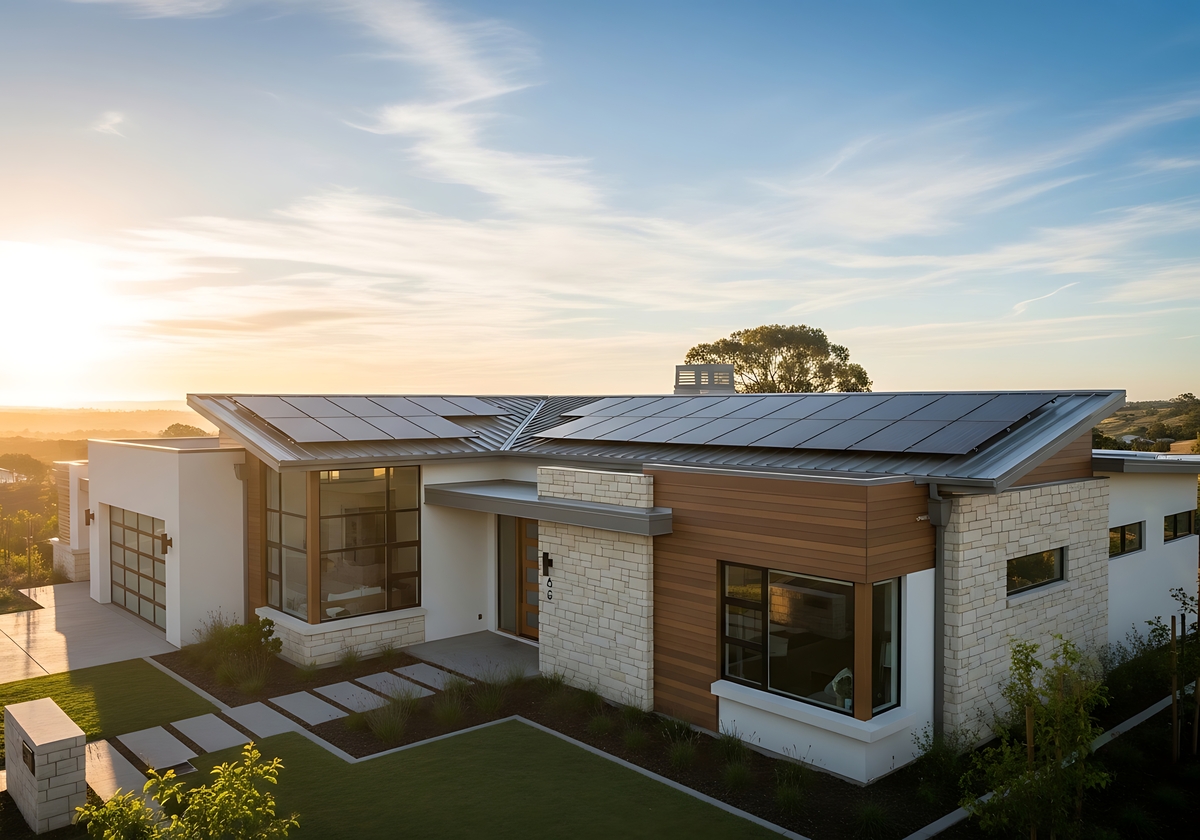

Your latest electricity bill just landed. Again, the numbers are climbing higher than last quarter. If you’re a Gold Coast homeowner watching your energy costs spiral, you’re not alone. With Queensland electricity prices continuing their upward trend and the Gold Coast blessed with over 260 days of sunshine annually, switching to residential solar has never made more sense.
The timing in 2025 is particularly advantageous: federal rebates for solar systems are decreasing annually (ending in 2030), and a new battery rebate scheme launches in July offering up to $18,500 in savings.
Key Points
- Gold Coast residential solar systems typically cost $6,000-$7,500 for a 6.6kW system (after rebates), saving households $2,000-$3,000 annually on electricity bills
- The best solar panels for homes Gold Coast should be coastal-rated (C4/C5) to withstand salt air and humidity
- Federal STC rebates provide $2,000-$2,500 in upfront discounts for 2025 installations, decreasing by approximately $350 each year
- A properly sized 6.6kW system generates 24-30kWh daily, covering 60-80% of typical household electricity needs
- New federal battery rebate launching July 2025 offers 30% upfront discount worth $4,000-$18,500
- Installing now beats waiting—rebates decline annually, and rising material costs make 2025 one of the best years to invest in residential solar
This guide provides everything you need to make an informed decision about solar for your home, without the pressure or confusing jargon.
What Is a Residential Solar System?
A residential solar system is a scaled-down version of the commercial installations you’ve seen on warehouse roofs, designed specifically for family homes. Unlike commercial systems that can span hundreds of kilowatts, residential solar typically ranges from 5kW to 13kW—perfectly sized for household energy consumption.
The system comprises four main components working together. Solar panels act as your energy harvesters, converting sunlight into electricity throughout the day. The inverter serves as the translator, converting the panels’ DC electricity into the AC power your appliances use. Your electricity meter tracks both what you consume and what excess energy you export back to the grid. Finally, an optional battery stores surplus energy for use after sunset, acting as your personal energy bank.
Here’s how it works in practice: Sunlight hits your panels, generating DC electricity. The inverter immediately converts this to usable AC power for your home. During sunny days, your home runs entirely on solar power. Any excess energy either charges your battery (if installed) or exports to the grid, earning you feed-in tariff credits. When solar production drops at night or on cloudy days, your system automatically draws from the grid to cover the shortfall.
For Gold Coast homeowners, there’s a crucial local consideration: coastal environments demand panels and mounting systems rated for C4 or C5 corrosion resistance. The salt air and humidity can severely degrade standard components over time. When comparing the best solar panels for homes Gold Coast, always confirm the coastal rating—this isn’t an o
Benefits of Installing Solar at Home
Reduce Electricity Bills
This is where residential solar delivers immediate, measurable returns. A typical 6.6kW system on the Gold Coast generates 24-30kWh daily, enough to offset 60-80% of an average household’s electricity consumption. Based on current QLD electricity rates of approximately 30-35 cents per kWh, homeowners save between $2,000 and $3,000 annually. Over the system’s 25-year lifespan, that’s $50,000-$75,000 in savings, and this assumes electricity prices remain flat (which they won’t).
The savings accelerate with time. As grid electricity prices inevitably rise, your locked-in solar production costs nothing beyond the initial investment. While your neighbors face 5-10% annual price increases, your solar panels keep generating at zero marginal cost.
Environmental Impact
Every kilowatt-hour your residential solar system generates is one less kilowatt-hour produced by fossil fuels. A standard 6.6kW Gold Coast installation offsets approximately 8-10 tonnes of CO2 emissions annually—equivalent to planting 180 trees or taking two cars off the road. Over its lifetime, that single system prevents 200+ tonnes of greenhouse gases from entering the atmosphere.
For environmentally conscious homeowners, this isn’t just about saving money. It’s about tangible action against climate change, right from your rooftop.
Increase Property Value
Multiple Australian property studies confirm what real estate agents have been observing: homes with solar sell faster and for more money. Research indicates solar installations increase property values by 3-5%, with the Gold Coast’s premium on energy-efficient homes pushing this even higher. A $7,000 solar investment can add $15,000-$25,000 to your home’s market value.
Beyond the dollar figures, solar-equipped homes spend less time on the market. Buyers immediately recognize the value proposition: lower ongoing costs and environmental credentials wrapped into one attractive package.
Access to Rebates and Incentives
The federal government’s Small-scale Technology Certificate (STC) scheme provides upfront discounts of $2,000-$2,500 for a 6.6kW system in 2025. This isn’t a refund you chase later—reputable installers deduct it directly from your invoice price. However, STCs decrease by approximately 10% annually, so a system that attracts $2,200 in rebates this year might only receive $1,850 in 2026.
The game-changer for 2025 is the new Cheaper Home Batteries Program launching July 1st. This federal initiative provides a 30% upfront discount on battery storage systems, worth between $4,000 and $18,500 depending on battery capacity. Combined with solar panel STCs, homeowners can access over $6,000 in government support for a complete solar-plus-storage system.
Energy Independence
Every household hates being at the mercy of energy retailers and their unpredictable price hikes. Residential solar gives you control. While you’ll likely remain grid-connected for reliability, your dependence on purchased electricity drops dramatically. With a battery system, you’re even protected during blackouts—a valuable feature for Gold Coast areas prone to storm-related outages.
This independence only grows more valuable as time passes. You’ve essentially locked in your energy costs for 25 years while everyone else remains exposed to market volatility.
How Much Does Residential Solar Cost on the Gold Coast?
Let’s talk real numbers for 2025 Gold Coast installations.
Current Pricing
For a 6.6kW system (the most popular residential size), expect to pay $6,000-$7,500 after STC rebates are applied. This price range assumes quality Tier 1 panels, a reputable string inverter, and professional installation by CEC-accredited electricians. The system includes all mounting hardware, electrical connections, council approvals, and grid connection paperwork.
A 10kW system suitable for larger homes with pools or high energy consumption runs $9,500-$12,000 after rebates. This larger capacity generates 36-45kWh daily—enough to power energy-intensive households while still exporting surplus energy.
Battery storage adds $8,000-$15,000 depending on capacity. A Tesla Powerwall 3 (13.5kWh) typically costs $12,000-$14,000 installed. More affordable options like Sungrow SBR batteries (9.6-19.2kWh) range from $8,000-$11,000. Remember, with the July 2025 battery rebate, you’ll receive 30% back upfront, effectively reducing a $12,000 battery to $8,400 out-of-pocket.
An important warning: if you’re seeing quotes significantly below these ranges, investigate carefully. Extremely cheap systems often use inferior panels that degrade faster, budget inverters that fail within 5 years, or rushed installations that void warranties. The best solar panels for homes Gold Coast use premium materials and corrosion-resistant components—cutting corners here costs far more in the long run.
Factors That Influence Cost
Roof type significantly impacts installation complexity. Tile roofs require more labor as installers must lift tiles, install mounting brackets, and ensure waterproof sealing. Colorbond metal roofs are faster to work with, potentially reducing installation costs by $500-$800. Older roofs may need structural assessments or reinforcement before supporting solar panels.
Panel brand and quality create stark price differences. Tier 1 manufacturers like REC, Jinko, Trina, and Canadian Solar command premium prices because they’ve proven long-term reliability and maintain operations for warranty support. Tier 2 and 3 brands might save $500-$1,000 upfront, but risk panel degradation, warranty issues, or the manufacturer disappearing entirely.
System size obviously affects cost, but not linearly. The jump from 6.6kW to 10kW is smaller per watt than the jump from 3kW to 6.6kW, thanks to fixed costs like inverters, switchboards, and installation labor being spread across more panels.
Coastal-rated components are non-negotiable for Gold Coast residential solar but add $300-$600 to system costs. Stainless steel mounting rails, marine-grade fasteners, and corrosion-resistant junction boxes prevent the expensive failures that plague standard systems in salt air environments.
Inverter choice presents options at different price points. String inverters ($1,200-$2,000) are the most cost-effective for unshaded roofs. Microinverters ($2,500-$3,500) work better for partial shading but cost significantly more. Hybrid inverters ($2,500-$4,000) cost more upfront but enable future battery additions without replacing the inverter.
Finance Options and Payback Period
Most installers offer interest-free payment plans (typically 12-48 months) through providers like Brighte or Plenti. These plans require a deposit and credit checks but avoid the shock of a single large payment.
Calculate your payback period simply: divide system cost by annual savings. A $7,000 system saving $2,500 yearly pays for itself in 2.8 years. After that, it’s pure profit for the remaining 22+ years. Factor in electricity price rises, and the real payback drops to 2-3 years for most installations.
Critical Timing Note
STC rebates decrease approximately $350 annually. A system installed in December 2025 receives the same rebate as one installed in January 2025, but a system installed in January 2026 receives $350 less. This represents real money you’re leaving on the table by delaying. Combined with material costs that generally trend upward and the new battery rebate launching mid-2025, there’s a genuine financial advantage to acting now rather than waiting.
Choosing the Right System Size for Your Home
Getting system size right is crucial—too small and you’re missing savings opportunities, too large and you’re paying for capacity you’ll never use.
The Starting Point: Your Electricity Bills
Pull out your last four quarterly bills and calculate your average daily consumption. Most Gold Coast households use 15-25kWh daily, with larger families or homes with pools reaching 30-40kWh daily. This usage figure is your baseline for sizing residential solar.
Common System Sizes Matched to Homes
6.6kW systems are the sweet spot for most 3-4 bedroom Gold Coast homes. Generating 24-30kWh on sunny days, they cover typical household consumption with surplus for grid export or battery charging. This size qualifies for maximum STC rebates while staying under most single-phase electricity connection limits.
10kW systems suit larger families, homes with swimming pools, or households with ducted air conditioning. Producing 36-45kWh daily, they handle energy-intensive lifestyles while still maximizing self-consumption. Expect this size for 4-5 bedroom homes or properties with high daytime usage.
5kW systems work for smaller households, retirees, or homes with naturally low consumption. They’re becoming less common as the per-watt cost savings of larger systems make 6.6kW almost universally more cost-effective, but they remain suitable for budget-conscious installations or homes with limited roof space.
Future-Proofing Your Investment
Don’t just size for today’s needs. Consider what’s changing in the next 5-10 years:
Electric vehicle ownership is accelerating rapidly. An EV adds 10-15kWh daily charging demand to your household consumption. If there’s any chance you’ll own an EV during your solar system’s lifetime (spoiler: there probably is), factor this into your sizing now.
Home expansions or additions might include that granny flat, renovated kitchen with high-end appliances, or converted garage workshop. These add-ons increase electricity demand.
Pool installations or upgrades are significant energy consumers. A pool pump runs 6-8 hours daily, adding 6-10kWh to your daily usage.
Battery additions are easier when planned upfront. If you’re even considering a battery within 5 years, install a hybrid-ready inverter now. Upgrading from a standard inverter to hybrid later requires replacing the entire inverter—an expensive and avoidable cost.
The Golden Rule
When in doubt, size slightly up rather than down. Panels are the least expensive component per watt, and the marginal cost of adding 2-3 extra panels now is far less than the total cost of a system expansion later. Expanding an existing system requires a second site visit, additional paperwork, potential inverter upgrades, and won’t qualify for the same rebates as your original installation.
A practical example: if your calculations suggest a 6.6kW system would generate 95% of your needs, installing a 7kW or 8kW system provides headroom for lifestyle changes while costing only $500-$800 more upfront.
Do I Need a Solar Battery?
This is the question every homeowner asks, and the honest answer is: it depends on your specific situation.
The Pros of Battery Storage
Evening and night-time solar usage transforms your system’s economics. Solar panels generate power during the day when most households use relatively little electricity (unless you’re home full-time). Peak household consumption happens 6pm-10pm when families are home, cooking dinner, running appliances, and streaming entertainment. Without a battery, you’re buying expensive grid electricity during these peak hours despite having produced excess solar during the day. A battery captures your daytime surplus and releases it exactly when you need it most.
Blackout protection provides genuine peace of mind for storm-prone Gold Coast suburbs. When the grid fails, most solar systems automatically shut down for safety (preventing backfeed to the grid). Battery systems with blackout protection maintain power to essential circuits—keeping refrigerators running, lights on, and phones charged during outages.
Maximized self-consumption matters because feed-in tariffs have plummeted. Most Gold Coast retailers now offer just 5-12 cents per kWh for exported solar, while charging 30-35 cents for grid electricity. That’s a 20-25 cent spread. Batteries let you consume your own solar at the full retail value rather than exporting it for a pittance and buying it back at premium prices.
Federal battery rebate launching July 2025 fundamentally changes the economics. A 30% upfront discount worth $4,000-$18,500 (depending on capacity) dramatically improves battery payback periods. What was a 10-12 year payback in 2024 might now pay back in 6-8 years.
The Cons of Battery Storage
Upfront cost remains substantial even with rebates. After the 30% discount, you’re still looking at $5,500-$10,500 for a quality battery installation. That’s a significant sum that could instead pay for additional solar panels or remain invested elsewhere.
Limited warranty compared to panels creates replacement concerns. Most batteries warrant 10 years, while panels last 25+ years. You’ll likely need at least one battery replacement during your solar system’s lifetime, adding to total ownership costs.
May not suit everyone’s usage patterns. If you’re home most days using air conditioning and appliances during solar generation hours, you’re already consuming most of your solar directly. Batteries provide less incremental value when self-consumption is already high. Similarly, if you’ve locked in a legacy feed-in tariff above 20 cents per kWh, exporting might actually be more profitable than storing.
Technology evolution concerns some homeowners. Battery technology is improving rapidly—capacity increases, prices drop, lifespans extend. Some worry about installing now and missing better technology in 3-5 years. However, waiting means missing today’s rebates and today’s savings, so this argument cuts both ways.
Who Should Get a Battery?
You’re an ideal battery candidate if you:
- Use most electricity evenings and nights (typical family pattern)
- Have time-of-use electricity tariffs with expensive peak rates
- Live in areas with frequent power outages
- Value energy security and independence highly
- Want to maximize environmental benefits by using 90%+ of your solar generation
- Can access the July 2025 federal battery rebate
You might skip the battery if you:
- Work from home and consume most solar during generation hours
- Have minimal evening electricity usage
- Locked in a high legacy feed-in tariff (15+ cents per kWh)
- Operating on a tight budget and want solar benefits without maximum investment
- Plan to move house within 5 years (batteries don’t add as much resale value as their cost)
Popular Battery Options for Gold Coast Homes
Tesla Powerwall 3 (13.5kWh) leads in brand recognition and integration features. Sleek design, excellent monitoring app, and robust blackout protection make it popular despite premium pricing.
Sungrow SBR series (9.6-19.2kWh) offers modular capacity at competitive prices. Australian-installed warranty support and good track record make these increasingly popular for residential solar.
BYD Battery-Box Premium (5-20kWh) provides flexible capacity in 2.5kWh increments. Proven reliability from the world’s largest battery manufacturer.
Alpha ESS (6.5-19.5kWh) delivers excellent value with competitive pricing and comprehensive monitoring. Less name recognition than Tesla but strong performance.
The 2025 Timing Advantage
If you’re considering batteries at all, 2025 is arguably the best year to act. The new federal rebate launching July 1st provides upfront discounts not available before or guaranteed after. Combined with decreasing solar STCs, installing a complete solar-plus-battery system in late 2025 captures maximum government support. This is one of those rare moments where government incentives, technology maturity, and market conditions align favorably for homeowners.
What Rebates and Incentives Are Available?
Understanding available rebates can save thousands on your residential solar investment.
Small-scale Technology Certificates (STCs)
This federal rebate scheme runs until 2030, providing upfront discounts on residential solar systems under 100kW. For Gold Coast homeowners installing a 6.6kW system in 2025, STCs deliver approximately $2,000-$2,500 in immediate savings.
How it works: The government awards certificates based on your system’s projected electricity generation over its lifetime (deeming period). Installers typically purchase these certificates from you at installation, applying the discount directly to your invoice. You never handle the certificates yourself—reputable installers manage everything.
Critical timing detail: STC values decrease approximately $350 annually as the 2030 deadline approaches. The same system receiving $2,200 in STCs during 2025 might only generate $1,850 in 2026. This isn’t trivial—it’s real money you forfeit by delaying installation.
Eligibility requirements are straightforward:
- System under 100kW capacity (all residential systems qualify)
- CEC-approved panels and inverters
- Installation by CEC-accredited electrician
- System hasn’t been previously installed elsewhere
Reputable installers verify eligibility and handle all paperwork. Your only responsibility is ensuring you hire CEC-accredited professionals who use approved components.
Cheaper Home Batteries Program
This game-changing federal initiative provides a 30% upfront discount on home battery systems, worth between $4,000 and $18,500 depending on capacity.
Eligibility details:
- Battery capacity between 5kWh and 50kWh (covers virtually all residential batteries)
- Installation by qualified electrician
- System meets relevant Australian standards
- Application processed before budget exhausted (first-come, first-served)
Unlike STCs, this program operates on allocated budget funding. When funds are exhausted, the program closes until additional budget is allocated or potentially doesn’t continue. This creates urgency for homeowners considering batteries—waiting until 2026 might mean missing the rebate entirely if uptake is high.
Practical example: A Tesla Powerwall 3 costs approximately $14,000 installed. The 30% rebate provides $4,200 upfront discount, reducing out-of-pocket cost to $9,800. This dramatically improves payback periods from 10+ years to 6-8 years for most households.
Queensland Feed-in Tariffs
Feed-in tariffs (FiT) pay you for excess solar exported to the grid. Unlike rebates that reduce purchase costs, FiTs provide ongoing income, though rates have decreased significantly in recent years.
Regional Queensland (Ergon Energy network) maintains regulated minimum FiTs:
- 2024-25: 12.377 cents per kWh
- 2025-26 (projected): 8.69 cents per kWh
This substantial decrease reflects wholesale electricity market changes and makes battery storage relatively more attractive compared to grid export.
South-east Queensland (Energex network, including Gold Coast) has no regulated minimum. Retailers compete with offers typically ranging 5-12 cents per kWh, with occasional promotional rates reaching 15-18 cents.
Current competitive FiTs (subject to change):
- AGL: Up to 17.4 cents per kWh (promotional)
- Origin: 16 cents per kWh (select plans)
- EnergyAustralia: 10 cents per kWh (standard)
- Alinta Energy: 13 cents per kWh (standard)
Strategic consideration: With most FiTs now well below retail electricity rates (30-35 cents per kWh), the economics favor self-consumption over export. This is why batteries make increasing sense—you’re effectively arbitraging the 20+ cent spread between export value and retail cost.
Checking Your Eligibility
Government rebate eligibility varies by system specifications and installation timing. Rather than navigating complex eligibility criteria yourself, consult with your installer during the quotation process. Quality installers verify eligibility as standard practice and maximize available rebates on your behalf.
For independent verification or to explore additional state-specific programs that may emerge, monitor the official government renewable energy portal or contact the SolarSet team during your consultation.
How to Choose a Solar Installer
Choosing the wrong installer can turn a great investment into a nightmare. Here’s how to identify quality residential solar installers from the rest.
Non-Negotiables
Clean Energy Council (CEC) accreditation is mandatory, not optional. CEC accreditation certifies electricians have completed specialized solar installation training and stay current with industry standards. Never use an unaccredited installer regardless of price—you’ll void warranties and potentially face illegal installations.
Queensland electrical license must be current and verifiable. Request license numbers and verify them through Queensland’s electrical licensing database. This isn’t paranoia; it’s protecting yourself from unqualified operators.
Insurance coverage protects you from liability. Installers must carry both public liability insurance (covering property damage) and workers’ compensation (covering installer injuries). Request certificates of currency for both policies and verify they’re current.
Quality Indicators
Local presence matters enormously for residential solar. Companies headquartered on the Gold Coast or nearby Brisbane provide accessible support when you need warranty service, system troubleshooting, or expansion consultations. Fly-by-night operators from interstate often disappear within years, leaving you stranded for warranty claims.
Reviews and reputation reveal truth that sales pitches hide. Search Google Reviews, ProductReview.com.au, and solar-specific forums for installer feedback. Look for 4.5+ star ratings across 50+ reviews. Read negative reviews carefully—everyone gets occasional bad reviews, but patterns of similar complaints reveal systemic problems.
Warranty clarity separates professional installers from amateur operations. Ask explicitly: “Who honors warranties in 10 years if your company closes?” Quality installers provide comprehensive workmanship warranties (typically 10 years) and clearly explain how panel and inverter manufacturer warranties are claimed. Avoid any installer who can’t articulate warranty processes clearly.
Product range indicates quality focus versus profit maximization. Installers pushing a single brand exclusively often have financial incentives that don’t align with your needs. The best solar panels for homes Gold Coast vary by budget, performance requirements, and aesthetic preferences. Quality installers stock multiple Tier 1 brands (REC, Jinko, Trina, Canadian Solar, etc.) and recommend based on your specific situation rather than their profit margins.
Post-install support transforms good service into great service. Does the installer provide monitoring system setup? Do they conduct performance checks at 6 and 12 months? Will they help interpret monitoring data or troubleshoot production concerns? These services separate installers who care about long-term performance from those who disappear after receiving payment.
Red Flags to Avoid
Pressure tactics indicate desperation or deception. Any “today only” discounts, “limited stock” claims, or “price increases tomorrow” warnings should trigger immediate skepticism. Quality installers don’t need high-pressure sales—their work speaks for itself.
No site inspection means quote inaccuracy. Generating quotes exclusively from satellite roof images misses crucial details: shading patterns, roof condition, electrical panel capacity, and access complexity. Accurate quotes require physical site inspections. Remote quotes are red flags for sloppy work.
Rock-bottom pricing signals compromised quality somewhere in the chain. If a quote comes in 20-30% below market rates, investigate thoroughly. Cheap systems use inferior panels, budget inverters, undertrained installers, or cut corners on coastal-rated components. The best solar panels for homes Gold Coast cost what they cost—massive discounts don’t appear magically.
Vague warranty information suggests future problems. If an installer can’t clearly explain who handles warranty claims, how product registration works, or what happens if their business closes, walk away. This lack of clarity becomes your problem when something fails in year 5.
No physical presence creates accountability vacuums. Companies operating exclusively via phone and web forms often disappear when profitable contracts dry up. A physical showroom or office provides accountability and demonstrates stability.
Questions to Ask Every Installer
Before signing contracts, get clear answers to these critical questions:
“Do you use in-house installation teams or subcontractors?” In-house teams generally provide more consistent quality. Subcontractor networks can be excellent but introduce variability.
“What happens if the panel manufacturer goes bankrupt?” Quality installers either maintain relationships with multiple manufacturers or can facilitate warranty claims through Australian distributors who assume orphaned warranties.
“Will you help with warranty claims?” This should be a clear “yes” with explanation of their support process. Installers who deflect this responsibility leave you managing complex manufacturer claims alone.
“Can I see recent local installations?” Seeing completed Gold Coast projects demonstrates experience with coastal conditions and local regulations. Photo portfolios are good; physical site visits or references are better.
“How do you handle coastal corrosion requirements?” Correct answer includes specifics: stainless steel rails, marine-grade fasteners, C4/C5 rated components. Vague answers suggest insufficient coastal experience.
The Gold Coast Coastal Consideration
This deserves emphasis: Gold Coast’s proximity to ocean air demands coastal-rated components. Untreated aluminum frames, standard fasteners, and basic junction boxes corrode rapidly in salt air, leading to structural failures and electrical hazards within 5-10 years. Standard systems might survive Toowoomba’s inland climate but fail prematurely on the Gold Coast.
Confirm every quote includes:
- Stainless steel or marine-grade aluminum mounting rails
- Stainless steel fasteners throughout
- Corrosion-resistant cable glands and junction boxes
- Anti-corrosion treatment on all exposed metal
Quality installers include these automatically for coastal installations. Cheap operators skip them to reduce costs, setting you up for expensive failures down the road.
Why Gold Coast Homeowners Trust SolarSet
SolarSet brings something different to Gold Coast residential solar: credibility built through large-scale commercial success, now applied to homeowner installations with the same exacting standards.
Commercial Expertise Applied to Residential Quality
For years, SolarSet has powered significant commercial projects across South-east Queensland—businesses, industrial facilities, and large-scale installations where performance and reliability aren’t optional. These projects demand precision engineering, quality components, and installations that perform flawlessly for decades. We’re bringing that exact methodology to residential solar.
When we install a home system, it receives the same attention to detail as a 100kW commercial installation: proper structural calculations, optimized panel placement, meticulous electrical work, and comprehensive testing before handover. You’re not getting the residential budget treatment—you’re getting commercial-grade quality scaled to your home.
Local Knowledge That Matters
As Gold Coast specialists, we understand the unique challenges of coastal residential solar. We know which suburbs face afternoon shading from neighboring buildings, which areas experience Energex connection delays, which council paperwork prevents project slowdowns, and critically, how to spec systems that survive salt air for 25+ years.
This local knowledge translates to realistic timelines, accurate quotes, and systems designed for Gold Coast conditions rather than generic southeastern Queensland installations.
Quality Product Range
We stock Tier 1 panels from manufacturers like REC, Jinko, Trina, and Canadian Solar—proven performers with established Australian warranty support. Our inverter range includes Fronius, SolarEdge, Sungrow, and Huawei, selected for reliability and monitoring capabilities rather than profit margins.
Importantly, we don’t lock you into a single brand. During consultations, we recommend the best solar panels for homes Gold Coast based on your specific requirements: budget constraints, aesthetic preferences, performance expectations, and roof characteristics. If you’re comparing options, we provide transparent information about trade-offs rather than pushing our highest-margin products.
Transparent Quoting Process
Our quotes include itemized breakdowns: panel specifications, inverter model, mounting system details, warranty terms, and installation timeline. No hidden costs, no surprise fees, no fine print exclusions. The quote you receive is the amount you pay.
We also provide realistic performance projections based on your specific roof orientation, pitch, and shading. Overpromising production estimates might win contracts short-term, but leads to disappointed customers long-term. We’d rather set accurate expectations and exceed them than overpromise and underdeliver.
Post-Installation Support That Continues
System handover isn’t the end of our relationship—it’s the beginning. We provide:
- Complete monitoring system setup and training
- Performance verification at 6 and 12 months
- Assistance with feed-in tariff optimization
- Support for warranty claims throughout system lifetime
- Consultation for future battery additions or system expansions
Many installers treat completed installations as closed files. We view them as ongoing partnerships where your system’s long-term performance reflects our reputation.
The No-Pressure Difference
We’re not here to pressure you into rushed decisions. Solar is a significant investment deserving careful consideration. Our approach is educational first: we’ll analyze your bills, assess your roof, explain realistic options, discuss rebates and financing, and provide transparent quotes—then give you space to decide.
If you’re comparing multiple quotes (which you should), we’re confident our combination of quality products, commercial-grade installation, and long-term support stands scrutiny. We’d rather you take time to make an informed decision than rush into something you later regret.
Built for the Long Run
Our business model relies on reputation and repeat business (future expansions, batteries, referrals) rather than one-time transactional sales. This alignment of incentives means we’re invested in your system performing excellently for 25+ years.
When homeowners trust us with residential solar, they’re partnering with a company that will still be answering phones, honoring commitments, and installing quality systems a decade from now.
Ready to Take Control of Your Energy Costs?
Solar isn’t just an environmental choice—it’s a financial one. With Gold Coast’s abundant sunshine, falling technology costs, and 2025’s strong government incentives, there’s never been a better time to invest in residential solar.
The numbers tell a compelling story:
- $2,000-$3,000 in annual electricity savings
- $2,000-$2,500 in federal STC rebates (decreasing annually)
- $4,000-$18,500 in new battery rebates (launching July 2025)
- 2-4 year payback period
- 25+ years of near-zero electricity costs
At SolarSet, we’ve powered commercial projects across South-east Queensland, and now we’re bringing that same expertise to Gold Coast homes. No pressure, no gimmicks—just honest advice backed by quality installation.
What You Get with SolarSet:
✓ Free solar assessment with no-obligation consultation
✓ Detailed bill analysis showing actual savings potential
✓ Physical roof inspection for accurate, site-specific quotes
✓ Custom system design optimized for your roof and consumption
✓ Transparent pricing with all rebates and incentives explained
✓ CEC-accredited installation with coastal-rated components
✓ Comprehensive warranties on products and workmanship
✓ Post-install support including monitoring setup and performance reviews
Get Started Today:
Call 1300 330 923 to speak with our Gold Coast solar specialists
Your quote remains valid for 30 days—no expiry pressure, no bait-and-switch pricing.

Holly Charters
Solar Set | Built for the long run. Not the quick win.
FAQs – Residential Solar
How long does solar installation take?
Most residential solar installations complete within 1-2 days for standard systems. However, the full process from quote to active system typically spans 6-8 weeks, broken down as follows:
- Quote and consultation: 1-2 days
- Contract signing and deposit: 1-3 days
- Council development approval: 2-3 weeks (Gold Coast City Council)
- Physical installation: 1-2 days
- Energex grid connection approval: 1-2 weeks
- System activation: Same day as Energex approval
Timelines vary based on council workload, Energex queue, and seasonal installation demand. Quality installers provide realistic timelines and keep you updated throughout the process.
What happens on cloudy days?
Solar panels still generate electricity on overcast days, just at reduced output—typically 30-50% of their sunny day capacity. Gold Coast benefits from approximately 260 days of sunshine annually, meaning cloudy days are the minority.
During low solar production periods (cloudy days, night-time), your home automatically draws from the grid to cover any shortfall. You remain connected to grid electricity, so your lights never go out just because clouds appear. This is why residential solar works so effectively—it reduces grid dependence without requiring complete self-sufficiency.
If you’ve installed a battery, it provides power during cloudy periods and at night, further reducing grid reliance. However, even battery systems typically maintain grid connection for reliability during extended poor weather or higher-than-usual consumption.
Can I add more panels later?
Yes, but it’s usually more cost-effective to install your target system size upfront. System expansions require a second site visit, additional council approvals, potential inverter upgrades (if your current inverter lacks capacity), and separate electrical work. These fixed costs mean adding 2kW later costs significantly more per watt than including it in your original installation.
Additionally, STC rebates decrease annually. Panels added in 2026 receive lower rebates than panels installed in 2025, further increasing expansion costs relative to upfront installation.
If you’re considering future expansion, discuss it during initial consultation. Your installer can size the inverter with extra capacity, making future panel additions simpler and cheaper. But honestly, if you think you’ll need more capacity within 5 years, installing it now almost always makes better financial sense.
Will solar cover all my power needs?
It depends on system size, household consumption, and whether you’ve installed battery storage. A properly sized system typically covers 60-90% of household electricity costs.
Without a battery, your solar panels generate power only during daylight hours. If you’re home during the day running appliances, you’ll consume most of this solar directly. However, most households use peak electricity evenings and nights when solar production is zero—these hours require grid electricity unless you’ve installed battery storage.
With a battery, you can approach 90-100% self-sufficiency, though most homeowners maintain grid connection for reliability during extended poor weather or unusually high consumption periods. Complete off-grid independence requires oversized solar arrays, substantial battery capacity, and backup generators—generally unnecessary and economically inefficient for grid-connected Gold Coast homes.
The realistic goal isn’t 100% coverage; it’s maximizing the financial return on your solar investment while maintaining reliable electricity supply.
Do I need to clean my solar panels?
Gold Coast’s regular rainfall naturally cleans panels throughout much of the year. However, households close to the beach or in areas with minimal rain during dry seasons benefit from annual professional cleaning.
Dust, salt accumulation, and bird droppings can reduce panel output by 5-10%. Professional cleaning typically costs $150-$300 for residential systems and restores panels to optimal performance.
Many installers, including SolarSet, offer maintenance packages that include annual inspections and cleaning along with electrical connection checks and performance verification. These packages provide peace of mind and ensure your system operates at peak efficiency throughout its lifetime.
DIY cleaning is possible but risky—roof work is inherently dangerous, and improper cleaning techniques can damage panel coatings. If you’re comfortable on roofs, use soft brushes and plain water (no detergents). Otherwise, professional cleaning is a worthwhile annual investment.
Do I need council approval?
Yes, Gold Coast City Council requires building approval for all solar installations, but your installer handles this process entirely. It’s included as part of standard installation service.
The approval verifies your installation meets structural requirements (roof can support panel weight), electrical safety standards, and relevant building codes. Processing typically takes 2-3 weeks, after which your installer proceeds with installation.
You’ll never need to visit council offices or complete paperwork yourself—reputable installers manage everything. This is one reason choosing experienced local installers matters: they understand Gold Coast council requirements and navigate the approval process efficiently.
What maintenance do solar systems require?
Residential solar systems are remarkably low-maintenance, with no moving parts and durable components designed for decades of outdoor exposure.
Regular maintenance:
- Visual inspections every 6 months (check for debris, damage, or shading)
- Panel cleaning annually or as needed (more frequently near coast)
- Monitoring system checks to verify expected production
Professional maintenance:
- Electrical connection inspection every 2-3 years
- Inverter firmware updates as needed
- Full system performance audit every 5 years
Most systems operate trouble-free for years with minimal intervention. The monitoring system alerts you to performance issues, and annual cleaning maintains optimal output. Your installer should provide ongoing support for any concerns that arise.
How do I know if my roof is suitable?
Most Gold Coast roofs are excellent candidates for residential solar, but several factors determine suitability:
Orientation: North-facing roofs are ideal, generating maximum output. West and east-facing roofs work well (85-90% of north-facing production). South-facing roofs are least productive but can still work for certain situations.
Pitch: Most residential roof pitches (15-30 degrees) are perfect. Flat roofs require tilted mounting frames, and extremely steep roofs (40+ degrees) increase installation complexity but both remain viable.
Shading: Trees, neighboring buildings, or chimneys that shade your roof reduce output. Minor shading can be worked around; extensive shading may make solar impractical. Site inspections reveal whether shading is a deal-breaker.
Condition: Roofs must be structurally sound and have at least 10-15 years of remaining life. Installing solar on a roof due for replacement within 5 years is poor planning—you’ll pay to remove and reinstall panels during roof replacement.
Space: A 6.6kW system requires approximately 32-36 square meters of usable roof space. Most residential roofs easily accommodate this.
The only way to definitively assess suitability is through a physical site inspection. SolarSet provides free assessments that evaluate all these factors and recommend optimal panel placement for your specific property.
What happens during a blackout?
Standard solar systems automatically shut down during grid blackouts for safety reasons. This prevents your system from sending electricity back to the grid while workers attempt repairs—a process called “anti-islanding protection” that’s mandated by Australian electrical standards.
This means during daytime blackouts, your panels sit idle despite sunshine, and you have no electricity unless you’ve installed battery storage with blackout protection.
Battery systems with backup functionality (sometimes called “off-grid mode”) detect grid failures and instantly switch to battery power, keeping essential circuits operational. You typically can’t power your entire home during blackouts (batteries have limited capacity), but you can keep refrigerators, lights, internet, and essential appliances running until grid power restores.
If blackout protection is a priority (common in storm-prone Gold Coast areas), discuss this during consultation. Not all battery systems include backup functionality, and systems with backup require specific electrical panel configurations.
How long do solar panels last?
Quality solar panels are warrantied for 25 years and typically continue producing electricity well beyond that timeframe, though at gradually reduced efficiency.
Panel warranties guarantee:
- Product warranty: 10-15 years (covers manufacturing defects)
- Performance warranty: 25 years (guarantees minimum output levels)
Most Tier 1 manufacturers warrant panels will maintain 80-85% of original output at year 25. Degradation is gradual—approximately 0.5-0.7% annually for quality panels.
Real-world data shows well-maintained systems from quality manufacturers often operate 30-40 years. Inverters typically require replacement at 10-15 years (budgeted at $2,000-$3,000), but panels themselves are remarkably durable.
For Gold Coast installations, using coastal-rated panels and mounting systems is crucial for achieving these lifespans. Standard components in salt air environments can fail much earlier—another reason why choosing quality installers matters.
Will solar panels damage my roof?
Professional installation by CEC-accredited electricians doesn’t damage roofs. Installers use specialized mounting systems designed to maintain roof integrity and waterproofing.
The process involves:
- Locating roof trusses/rafters for secure mounting
- Installing flashed mounting brackets that prevent water ingress
- Attaching rails to brackets without compromising roof structure
- Sealing all penetrations with marine-grade sealants
Quality installers provide workmanship warranties (typically 10 years) covering any roof damage or leaks resulting from installation. This warranty demonstrates their confidence in proper installation technique.
Roof damage almost always results from amateur or substandard installation—another reason to verify CEC accreditation and check installer reviews before signing contracts.
Can I install solar if I have a battery already, or add a battery to existing solar?
Yes, though it depends on your current system configuration and available roof space.
Adding batteries to existing solar: This is straightforward if your current inverter is “hybrid-ready” or you’re willing to replace the inverter. Hybrid inverters accommodate both solar panels and batteries. If your existing system has a standard (non-hybrid) inverter, you’ll need to replace it (approximately $2,000-$3,000) or install an “AC-coupled” battery with its own separate inverter.
Adding solar to existing batteries: Less common, but possible with the same considerations about inverter compatibility.
The July 2025 battery rebate applies to battery installations even if you already have solar panels. This makes 2025 an excellent time for existing solar owners to add batteries and capture the 30% rebate.
Do solar panels work in winter?
Absolutely. Solar panels generate electricity from light, not heat—they actually operate more efficiently in cooler temperatures. While winter days have fewer daylight hours (reducing total daily production), panels generate strongly during those hours.
Gold Coast winter weather is particularly favorable for solar: clear sunny days are common, and mild temperatures optimize panel efficiency. You’ll notice reduced production compared to summer (shorter days, lower sun angles), but systems remain highly productive.
Winter production typically ranges 60-75% of summer production. A 6.6kW system generating 30kWh daily in summer might produce 20-24kWh daily in winter—still covering most household electricity needs.
