


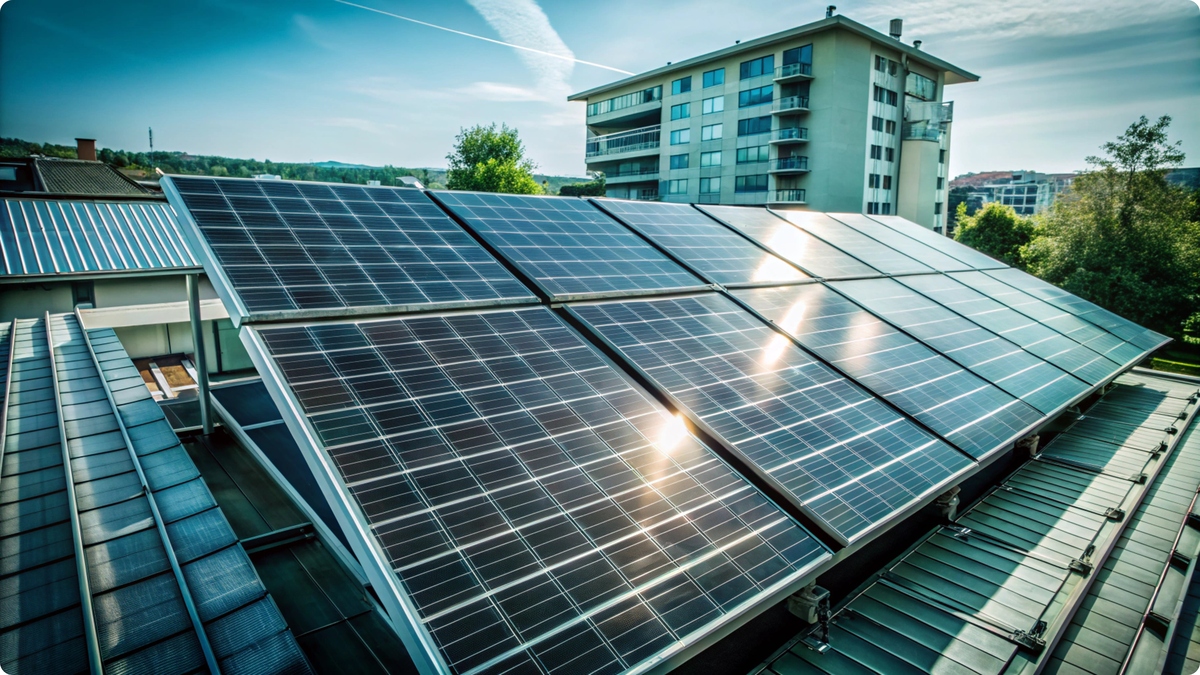

Queensland’s Battery Booster rebate program is one of Australia’s best deals for home energy storage, giving you up to $4,000 off the cost of a home battery system. With power bills getting more expensive and battery technology getting cheaper, this rebate could be what makes solar storage worth the money for thousands of Queensland families.
This guide explains everything you need to know about the program, from who can get it to how much you’ll save in the long run, helping you decide whether a battery is right for your home.
About the Queensland Battery Booster Rebate
The Queensland Government’s Battery Booster rebate offers up to $4,000 off the cost of home battery systems for eligible households. This $10 million program provides rebates for 2,000 Queensland homes on a first-come, first-served basis. The rebate amount depends on your household income, with higher rebates available for lower-income families.
For detailed program terms and to check current availability, visit the official Queensland Government website: www.epw.qld.gov.au/energy/renewable/battery-booster
Key Points
- Up to $4,000 rebate for eligible Queensland households
- Available for 2,000 households total or until money runs out
- Rebate cuts costs by 20-30% for most households
- Long-term savings potential: $15,000-$25,000 over battery lifetime
- Long-term savings potential: $15,000-$25,000 over battery lifetime
Who Can Get the Queensland Battery Rebate?
The Battery Booster program has specific rules to help Queensland homeowners, especially those who need it most.
Income Rules
The rebate has two levels based on how much your household earns: households earning less than $180,000 combined can get up to $3,000, while if the highest earner in your home made $66,667 or less last financial year, you can get up to $4,000.
These income limits are based on your most recent tax return, making it accessible for middle-income Queensland families while giving extra help to lower-income households.
Lorem ipsum dolor sit amet, consectetur adipiscing elit. Ut elit tellus, luctus nec ullamcorper mattis, pulvinar dapibus leo.
Property and System Rules
To qualify for the rebate, you must:
- Own your home: The property must be where you live, and you must legally own it
- Live in Queensland: The property must be in Queensland and connected to the power grid
- Battery specs: The battery storage system must store between 5 kWh and 100 kWh (kWh means kilowatt hours – how much energy the battery can store), with the discount covering up to 50 kWh of usable storage
- Approved systems only: The battery must be on the Clean Energy Council’s approved list and installed by a Clean Energy Council licensed installer
- One rebate per property: Each property can only get one rebate under the program
How to Apply
Queensland’s $10 million Solar Battery Booster rebate is available for 2,000 households or until the money runs out. The program works on a first-come, first-served basis, so you need to apply quickly if you’re interested.
You’ll need to provide proof of income, property ownership, and installer credentials. Because there are only limited rebates available, it’s best to start the application process as soon as you’ve chosen your battery system and installer.
Average Battery Costs: Before and After the Rebate
Understanding the real cost of battery storage is essential for working out whether it’s worth the money for your household.
Battery System Costs Before the Rebate
Battery system costs vary a lot based on how much they store, which brand you choose, and how hard they are to install:
Small Systems (5-8kWh):
- Budget options: $8,000-$12,000 installed
- Premium brands: $12,000-$16,000 installed
Medium Systems (10-15kWh):
- Budget options: $12,000-$18,000 installed
- Premium brands: $16,000-$24,000 installed
Large Systems (20kWh+):
- Budget options: $20,000-$30,000 installed
- Premium brands: $28,000-$40,000 installed
kWh = kilowatt hours, which measures how much energy the battery can store. A 10kWh battery can store enough power to run a typical home for about 8-12 hours.
Specific Brand Pricing Examples
Tesla Powerwall Pricing: The Tesla Powerwall 2 costs between $13,500-$15,000, including full installation. Australian pricing for the Tesla Powerwall 3 starts at $11,900, which includes the 13.5 kWh battery and built-in inverter (the inverter converts the battery’s power to work in your home). This price doesn’t include the required Tesla Backup Gateway unit.
Market Average: Based on installer pricing, the average installed cost of a Tesla Powerwall battery is $1,129 per usable kWh, putting it at the expensive end of the home battery market.
Costs After the Rebate
The rebate makes a big difference to how affordable the system is:
For $4,000 rebate recipients:
- $15,000 system becomes $11,000 (27% cheaper)
- $20,000 system becomes $16,000 (20% cheaper)
- $12,000 system becomes $8,000 (33% cheaper)
For $3,000 rebate recipients:
- $15,000 system becomes $12,000 (20% cheaper)
- $20,000 system becomes $17,000 (15% cheaper)
- $12,000 system becomes $9,000 (25% cheaper)
These price cuts make battery storage much more affordable and help you pay back your investment faster.
How Battery Size Affects Your Savings and Payback Time
Choosing the right battery size is crucial for getting the best savings and return on your money.
Understanding Battery Sizing Basics
Your battery size should match how much power you use in the evening and overnight, as this is when stored solar energy saves you the most money. Unlike solar panels, where bigger is often better, batteries need to be matched more carefully to how much power you actually use.
Small Batteries (5-8kWh): Targeted Savings
Best for:
- 1-3 person households with modest evening power use
- Homes with efficient appliances and LED lighting
- Properties already using most of their solar power during the day
Typical savings:
- $800-$1,200 each year in lower power bills
- Payback time: 8-12 years (6-9 years with rebate)
- Best value per kWh but limited total savings
Medium Batteries (10-15kWh): Balanced Approach
Best for:
- 3-5 person households with moderate evening use
- Homes with electric hot water systems or pool pumps
- Properties planning for future electric car charging
Typical savings:
- $1,200-$1,800 each year in lower power bills
- Payback time: 9-13 years (7-10 years with rebate)
- Good balance between cost and capability
Large Batteries (20kWh+): Maximum Independence
Best for:
- Large households with high energy use
- Properties with significant evening/night power use
- Homes wanting maximum independence from the power grid
Typical savings:
- $1,800-$2,500+ each year in lower power bills
- Payback time: 10-15 years (8-12 years with rebate)
- Highest total savings but longer payback times
What Affects Your Payback Calculations
Power bill structure: Time-of-use tariffs (where power costs more at peak times) with high evening peak rates make batteries much more worthwhile, potentially cutting payback times by 2-3 years.
When you use power: Households that use lots of power in the evening (6pm-10pm) get better returns than those who mainly use power during the day.
Solar system connection: Existing solar customers who don’t use much of their daytime solar power get the best benefits from adding a battery.
Future power price rises: Conservative estimates suggest 3-5% yearly increases, which makes battery economics even better over time.
Most Popular Battery Brands and Models in Queensland
The Queensland battery market has changed quickly, with several brands becoming clear leaders based on reliability, value, and installer preference.
Current Market Leaders
Sigenergy: According to market analysis, Sigenergy leads with an 18.2% market share, with Sungrow very close behind at 17.1%, followed by Alpha ESS in third place at 15.2%. Sigenergy’s quick rise reflects their competitive pricing and reliable performance.
Sungrow: A well-established company offering solid battery systems with excellent warranty terms and proven track record in Queensland conditions.
Alpha ESS: Alpha ESS holds third place with 15.2% market share, offering modular systems (systems you can add to over time) and competitive pricing.
Tesla Powerwall: The Tesla Powerwall has dropped back to fourth place despite its premium brand recognition, mainly due to supply chain problems and higher pricing.
Popular Model Specifications
Entry-Level Options (5-10kWh):
- Alpha ESS SMILE5: 5.7kWh usable storage, modular design
- Sungrow SBR096/128: 6.9-9.2kWh options
- Enphase IQ Battery: 3.36kWh modules, highly expandable
Mid-Range Options (10-15kWh):
- Tesla Powerwall 2/3: 13.5kWh usable capacity
- Alpha ESS STORION-T10: 10.1kWh usable
- Sungrow SBR160/192: 11.5-13.8kWh options
Large Capacity Options (15kWh+):
- BYD Battery-Box Premium: Up to 66.2kWh expandable
- Alpha ESS modular systems: Up to 46kWh
- Multiple Powerwall installations
What to Consider When Choosing a Brand
Warranty and Support: Look for manufacturers offering 10+ year warranties with local Australian support. Alpha ESS batteries come with a performance warranty that guarantees the battery keeps 70% of its storage capacity after 10 years.
Chemistry and Safety: LFP (Lithium Iron Phosphate) cells were 30% cheaper for home energy storage than other lithium types in 2024, while also offering better safety features.
Expandability: Consider systems that let you add more storage later without complete replacement, particularly valuable given the 50kWh rebate cap.
Local Installer Network: Choose brands with strong local installer networks in Queensland to ensure quality installation and ongoing support.
Long-term Money Returns: How the Rebate Changes Everything
The Battery Booster rebate completely changes the investment equation for home battery storage, turning marginal investments into attractive long-term options.
Money Modelling Over 10+ Years
Without Rebate Scenario:
- Initial cost: $15,000 (typical 10kWh system)
- Yearly savings: $1,400
- Simple payback: 10.7 years
- 15-year total savings: $21,000
- Net benefit: $6,000
With $3,000 Rebate:
- Initial cost: $12,000
- Yearly savings: $1,400
- Simple payback: 8.6 years
- 15-year total savings: $21,000
- Net benefit: $9,000 (50% improvement)
With $4,000 Rebate:
- Initial cost: $11,000
- Yearly savings: $1,400
- Simple payback: 7.9 years
- 15-year total savings: $21,000
- Net benefit: $10,000 (67% improvement)
Things That Make Long-term Returns Even Better
Power Price Rises: Conservative estimates suggest 3-4% yearly increases in power prices. Over 15 years, this adds up to much higher savings than the initial calculations suggest.
Technology Improvements: While battery prices are falling, installation and grid connection costs stay stable. Early adopters with rebate support may get better value than future buyers.
Grid Independence Value: Beyond money returns, battery storage gives you energy security during blackouts and protection against future grid infrastructure charges.
Risk Factors to Consider
Technology Changes: Quick improvements in battery technology could make current systems look outdated within 5-10 years, though the rebate reducing your initial cost partly offsets this risk.
Rule Changes: Future changes to feed-in tariffs (payments for excess solar), grid connection charges, or power market structures could impact long-term returns.
System Reliability: Battery degradation (gradual loss of storage capacity) and potential replacement costs after 10-15 years should be factored into long-term financial planning.
Making the Investment Decision
The combination of Queensland’s generous rebate program and improving battery economics creates a great investment opportunity for many households. However, the decision should be based on careful analysis of your specific situation.
Perfect Candidates for Battery Investment
- Households using 15-30kWh of power daily in the evening
- Properties with existing solar systems that don’t use much of their daytime solar power
- Homes on time-of-use tariffs with high evening peak rates
- Households prioritising energy independence and backup power
- Properties in areas prone to power outages
Consider Waiting If:
- You already use more than 80% of your solar power during the day
- Evening power use is minimal (less than 8kWh daily)
- You’re planning major home renovations that could change energy patterns
- Budget constraints make the investment financially stressful
Queensland’s Battery Booster rebate program is a significant opportunity for homeowners to invest in energy storage at great value. The combination of up to $4,000 in direct rebates, rising power prices, and improving battery technology creates compelling economics for many Queensland households.
The key to success lies in careful system sizing, selecting reliable equipment from established manufacturers, and working with experienced installers who understand Queensland’s unique conditions. While battery storage isn’t suitable for every household, those with appropriate consumption patterns and financial capacity can expect strong long-term returns amplified by the rebate program.
With only 2,000 rebates available, eligible homeowners should act promptly to secure this valuable incentive while ensuring they select the right system for their long-term needs.
This guide provides general information about the Queensland Battery Booster program. Always consult with Clean Energy Council licensed installers and review current program terms before making investment decisions. Program details may change, and individual circumstances vary significantly.

Holly Charters
Solar Set | Built for the long run. Not the quick win.
FAQs – QLD Battery Rebate
How do I apply for the Queensland battery rebate?
Applications are processed through participating installers who handle the paperwork for you. You’ll need to provide proof of income, property ownership, and make sure your chosen battery and installer meet program requirements. The rebate is usually applied as a discount when you buy rather than a refund later.
Can I get the rebate if I already have solar panels?
Yes, the rebate is available whether you’re adding a battery to an existing solar system or installing solar and battery together. In fact, existing solar customers often see the best returns from battery storage as they can immediately start storing excess daytime power generation.
What happens if I move house after getting the rebate?
The rebate is tied to the property rather than you personally, so you can’t transfer it to a new property. However, the battery system usually adds value to your home and can be an attractive selling point for environmentally conscious buyers.
Are there any ongoing responsibilities after getting the rebate?
Beyond standard system maintenance and monitoring, there are no specific ongoing responsibilities. However, you should maintain your system properly to make sure it continues performing as expected and providing the anticipated energy savings.
Can I add more battery storage later if I get the rebate now?
Yes, though any future additions won’t be eligible for additional rebates under this program. Many modular battery systems allow for expansion, making it possible to start with a smaller system and grow storage as needed or budgets allow.
What happens if my battery system fails after a few years?
Quality battery systems come with comprehensive warranties usually covering 10 years or more. Choose systems from reputable manufacturers with strong Australian support networks to make sure warranty claims can be processed efficiently if needed.
How does the rebate affect my solar feed-in tariff payments?
The battery rebate doesn’t directly affect your feed-in tariff (payments for excess solar power), but battery storage will reduce how much excess solar energy you export to the grid. This usually improves your overall solar economics as stored energy used in the evening is worth 2-3 times more than exported energy.
Can I install the battery myself to save money?
No, the rebate program requires installation by Clean Energy Council licensed installers. This ensures safety, compliance with Australian standards, and proper system setup. DIY installation would void both the rebate and manufacturer warranties.
What size battery should I choose to maximise the rebate value?
The rebate amount isn’t based on battery size but on your household income. However, choosing the right size for your power usage patterns is crucial for maximising overall value. Most households find 10-15kWh systems provide the best balance of rebate value and long-term savings.
Is battery storage worth it without the rebate?
While the rebate significantly improves the economics, battery storage can still be worthwhile for households with appropriate power usage patterns, particularly those on time-of-use tariffs or in areas with frequent power outages. The decision should be based on your specific circumstances and financial goals.
