


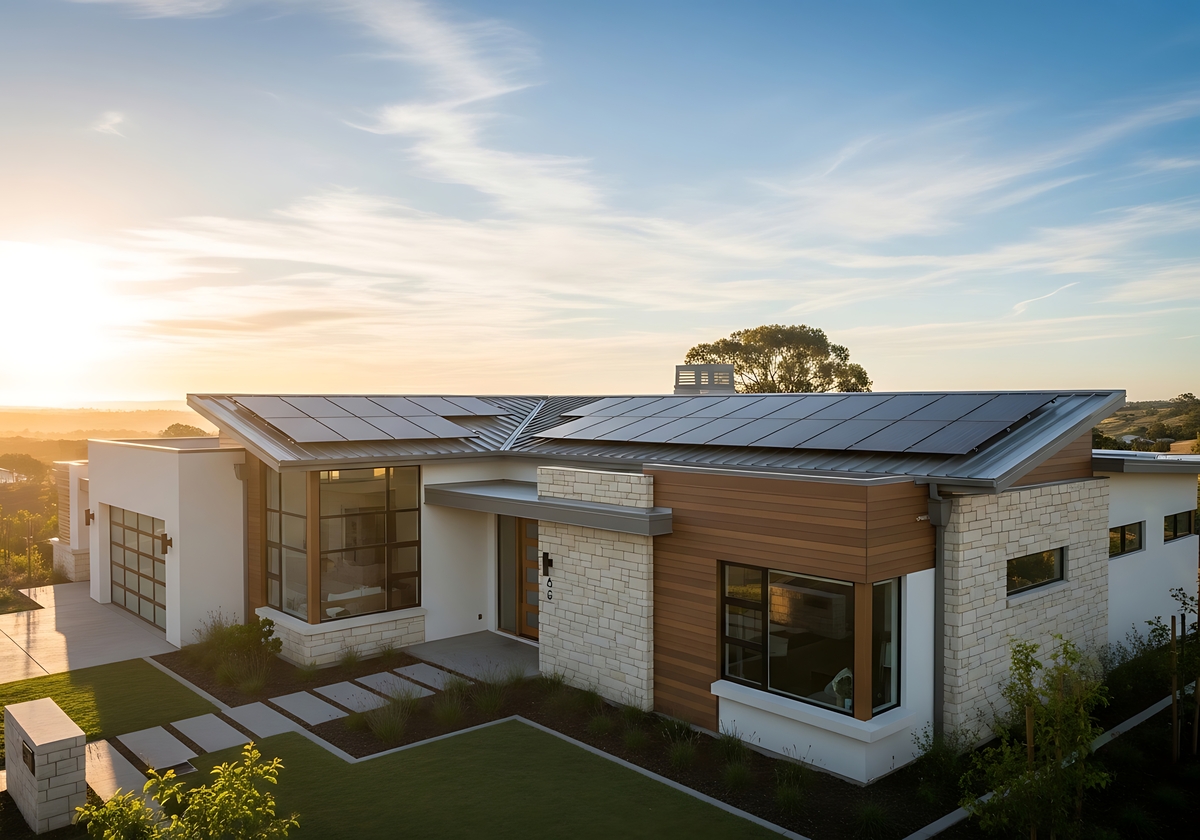

The Small-scale Renewable Energy Scheme just got a major update that could cut your businesses energy bills. From 1 October 2026, mid-scale solar PV systems between 100 kW and 1 MW will qualify for solar technology certificates, a shift that opens new doors for businesses and community groups. If you’re looking to boost renewable energy generation and lower costs, these changes from the Australian Government solar policy could reshape your approach to solar power.
What’s Changed with Solar Photovoltaic Eligibility?
On 5 August 2026, the Australian Government announced a significant expansion to the Small-scale Renewable Energy Scheme. This change affects businesses, farms, schools, and community facilities across the Gold Coast, Northern NSW, and Brisbane regions who are ready to make the switch to renewable energy.
Previously, if you wanted to install a solar system larger than 100 kW, you could only receive large-scale generation certificates (LGCs). Now, mid-scale solar PV systems between 100 kW and 1 MW will be able to create small-scale technology certificates, commonly known as STC. This is a big deal for medium-sized operations that have been sitting in a tricky middle ground.
Understanding the Certificate System
Let’s break this down in simple terms. When you install a solar system, you receive certificates based on the amount of renewable energy your system will generate over its lifetime. These certificates have real monetary value, and they help reduce the upfront cost of your solar installation.
For years, smaller systems (under 100 kW) received STCs, while anything larger fell into the LGC category. The problem? The LGC system was designed for utility-scale projects and didn’t work as well for medium-sized businesses. The new mid-scale solar PV category bridges this gap perfectly.
Who Benefits from These Changes?
The expansion of the Small-scale Renewable Energy Scheme targets a sweet spot in the market. If you run any of these types of facilities, pay close attention:
Commercial and Industrial Operations
Warehouses, logistics centres, and manufacturing facilities in Brisbane and the Gold Coast often have large roof spaces perfect for solar arrays in the 100 kW to 1 MW range. These businesses typically have high daytime energy consumption, which aligns beautifully with solar generation patterns.
Agricultural Sector
Farms and agricultural processing sites across Northern NSW can now access better financial incentives for their solar installations. Whether you’re running irrigation systems, cold storage, or processing equipment, mid-scale solar PV systems can significantly reduce your operating costs while supporting carbon abatement goals.
Community Facilities
Schools, hospitals, and community centres serve as perfect candidates for these systems. Not only do they reduce energy costs (freeing up funds for core services), but they also demonstrate leadership in renewable energy generation to the communities they serve.
The Financial Impact on Energy Cost Reduction
Here’s where things get interesting for your bottom line. The ability to create STCs for mid-scale systems means better upfront rebates, which translates to faster payback periods. For a typical 500 kW system, this could mean tens of thousands of dollars in additional incentives compared to the previous LGC arrangements.
When you combine these certificates with reduced electricity bills, many businesses in the Gold Coast and Brisbane regions could see payback periods of 3-5 years. After that, you’re generating clean, essentially free electricity for decades.
What You Need to Know Before October 2026
The Australian Government is working on additional design, installation, and compliance requirements for mid-scale solar PV installations. While the specifics aren’t finalized yet, this is actually good news. It means quality standards will ensure your investment is protected and performs as expected.
If you’re planning a solar installation, now is the time to start your research and planning. The regulations should be in place before the 1 October 2026 start date, giving you time to prepare your project.
Important Points to Remember
Your existing solar systems won’t be affected. If you already have a system under 100 kW, it stays in the Small-scale Renewable Energy Scheme as it is now. If you have an accredited large-scale system, it continues under the Large-scale Renewable Energy Target arrangements.
This change is purely about opening opportunities for new mid-scale installations.
Taking Action in Your Region
For businesses and organizations in the Gold Coast, Northern NSW, and Brisbane areas, the timing couldn’t be better. Our region enjoys excellent solar resources, with high sunshine hours year-round. Combined with these new incentives for mid-scale solar PV, the case for solar has never been stronger.
Begin by evaluating your energy consumption patterns and examining your electricity bills to pinpoint daytime usage. This information helps determine the optimal system size for your business needs.
Next, assess your available space. While roof-mounted systems are popular, ground-mounted arrays can be ideal if your facility has ample land.
Finally, take advantage of our expertise as accredited solar installers specializing in commercial installations. Understanding the new Small-scale Renewable Energy Scheme requirements, we are equipped to guide you through the STC creation process and ensure your system complies with all standards. Let us help you leverage these new incentives effectively.
As we approach October 2026, keep an eye on updates from the Department of Climate Change, Energy, the Environment and Water for the final compliance requirements. The groundwork you lay now will position you to take full advantage of these changes when they take effect.
Whether you operate a warehouse in Brisbane, a farm in Northern NSW, or a community facility on the Gold Coast, the message is clear: mid-scale solar PV has just become a much more attractive investment. The question isn’t whether to explore solar, it’s how soon you can get started.
Frequently Asked Questions
What is the difference between STCs and LGCs for solar systems?
STCs (small-scale technology certificates) are created upfront based on your system’s expected generation over its lifetime, providing an immediate rebate. LGCs (large-scale generation certificates) are created annually based on actual generation and are typically suited for utility-scale projects. For mid-scale solar PV systems between 100 kW and 1 MW, STCs now offer a simpler, more beneficial pathway starting October 2026.
When exactly can I install a mid-scale solar system and receive STCs?
The Australian Government intends for the Small-scale Renewable Energy Scheme changes to apply to mid-scale solar PV systems installed from 1 October 2026, subject to regulations being in place. Final compliance and eligibility requirements will be published before this date, so plan your installation timeline accordingly.
Will this change affect my existing solar system?
No, existing solar installations remain under their current arrangements. Systems under 100 kW continue in the Small-scale Renewable Energy Scheme as before, and accredited large-scale systems remain eligible for LGCs under the Large-scale Renewable Energy Target. Only new mid-scale installations between 100 kW and 1 MW installed after October 2026 will benefit from the expanded solar photovoltaic eligibility.
What types of businesses benefit most from mid-scale solar PV?
Warehouses, logistics centres, manufacturing facilities, farms, agricultural processing sites, schools, hospitals, and community centres typically benefit most. These facilities often have large roof spaces or land areas, high daytime energy consumption, and operations in the 100 kW to 1 MW capacity range that aligns perfectly with the new mid-scale solar category.
How do I prepare my business for the October 2026 changes?
Start by reviewing your electricity bills to understand your energy consumption patterns and daytime usage. Assess your available roof or ground space for solar panels. Connect with accredited solar installers familiar with the new regulations to discuss system sizing, costs, and expected energy cost reduction. Getting quotes and planning now positions you to move quickly once the regulations are finalized.
